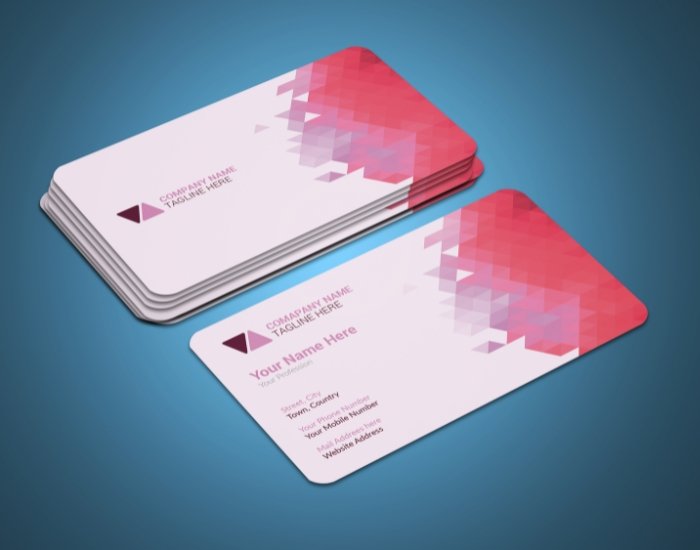
Even in a digital-first world, business cards remain one of the most powerful networking tools available to professionals and companies. A well-designed business card communicates credibility, professionalism, and brand identity in a matter of seconds.
Whether exchanged during a networking event, business meeting, or casual introduction, a thoughtfully designed card helps ensure your contact information is remembered. For companies in Atlanta, business card design plays a key role in creating strong first impressions in a competitive professional environment.
Business cards are more than simple contact information pieces. They are small, portable brand ambassadors that represent your company wherever they go. Professional business card design ensures that every interaction leaves a positive and memorable impression.
This guide explores the importance of custom business card design, common challenges businesses face, and how professional design services help companies create cards that truly represent their brand.
Why Business Card Design Still Matters in Modern Business
While digital networking platforms have become more common, physical business cards still serve an important role in professional communication.
Business cards offer several advantages:
-
Immediate sharing of contact information
-
Tangible brand representation
-
Easy distribution during networking events
-
Professional appearance during meetings
-
Increased likelihood of follow-up contact
Unlike digital contact sharing, a physical card can create a stronger personal connection. It gives people something tangible to remember you by.
A well-designed business card reinforces brand identity and communicates professionalism in a way that generic or poorly designed cards cannot.
Industry-Specific Challenges in Business Card Design
Designing an effective business card requires more strategy than simply placing a logo and contact details on a piece of paper. Businesses face several common challenges when creating cards that represent their brand properly.
Limited Space for Information
A standard business card has limited space. Designers must balance information and readability carefully.
The card typically needs to include:
-
Company name
-
Logo
-
Individual name and title
-
Phone number
-
Email address
-
Website
Trying to include too much information can quickly create a cluttered design that is difficult to read.
Balancing Creativity With Professionalism
While creative designs can stand out, overly experimental cards may appear unprofessional or confusing.
Businesses must balance:
-
Creativity
-
Brand consistency
-
Readability
-
Industry expectations
The right balance ensures the card feels unique without sacrificing clarity.
Differentiating in Competitive Markets
In large professional markets like Atlanta, many businesses exchange cards daily. Generic cards are easily forgotten.
Professional design helps companies create cards that:
-
Stand out visually
-
Reinforce brand identity
-
Leave a memorable impression
Why Professional Business Card Design Is Different
Many online tools offer quick business card templates, but these solutions often produce designs that feel generic and inconsistent with a company’s brand.
Professional design services take a strategic approach.
Brand-Driven Design
A professional designer ensures the business card aligns with your broader brand identity, including:
-
Logo usage
-
Brand color palette
-
Typography
-
Layout consistency
This ensures the card works as part of a unified brand system.
Strategic Layout and Hierarchy
Designers carefully arrange information so that the most important details stand out.
Visual hierarchy ensures that viewers quickly identify:
-
The brand name
-
The individual’s role
-
Contact information
A clear structure improves readability and retention.
Print-Ready Precision
Professional designers prepare files specifically for high-quality printing. This includes:
-
Correct bleed margins
-
Proper color profiles
-
High-resolution artwork
-
Print-safe typography
These technical details ensure the final printed card looks exactly as intended.
Business Card Styles That Work Well for Modern Brands
Different industries and brand personalities benefit from different business card design styles. Choosing the right approach can enhance the overall impact of your card.
Minimalist Business Cards
Minimalist designs emphasize simplicity and clarity.
Common features include:
-
Clean typography
-
Limited color palette
-
Spacious layouts
-
Subtle branding elements
This style works well for corporate professionals, consultants, and technology companies.
Bold and Creative Cards
Creative industries often benefit from visually striking cards.
These designs may include:
-
Bold color combinations
-
Unique layouts
-
Graphic elements
-
Distinctive typography
The goal is to create a card that reflects innovation and creativity.
Premium and Luxury Cards
Luxury brands or high-end service providers often choose elegant card designs.
These may include:
-
Foil stamping
-
Embossed lettering
-
Thick paper stock
-
Textured finishes
These features create a sophisticated and high-quality impression.
Double-Sided Cards
Using both sides of the card allows businesses to include additional information without overcrowding the design.
Common uses for the back side include:
-
Taglines
-
Brand messaging
-
Social media handles
-
Graphic branding elements
This helps maintain a clean and balanced layout.
Common Business Card Design Mistakes
Many businesses unintentionally weaken their branding by making avoidable design mistakes.
Overcrowded Designs
Trying to include too much information can overwhelm the design and reduce readability.
Professional cards focus on the essentials.
Poor Font Choices
Decorative or hard-to-read fonts can make contact information difficult to understand.
Professional designers choose typography that balances style with clarity.
Low-Quality Printing
Even a well-designed card can appear unprofessional if printed poorly.
Low-quality materials can result in:
-
Faded colors
-
Blurry text
-
Weak durability
Quality printing ensures the design looks polished.
Inconsistent Branding
Business cards that don’t match other brand materials can confuse potential clients.
Consistency across marketing materials strengthens brand recognition.
What a Professional Business Card Design Package Includes
Working with a professional graphic design company provides a structured process and ensures high-quality results.
Most business card design packages include several key elements.
Brand Discovery and Consultation
Designers begin by understanding your brand identity, industry, and audience.
This helps determine the most appropriate visual style for the card.
Custom Design Concepts
Multiple design concepts may be created, allowing you to explore different visual directions.
Concepts may vary in:
-
Layout structure
-
Typography
-
Graphic elements
-
Color application
Revisions and Refinement
Designers collaborate with clients to refine the selected concept until it fully represents the brand.
This stage ensures the final design meets both functional and aesthetic goals.
Print-Ready Files
The final design package typically includes print-ready files formatted for professional printing.
These files are prepared with correct technical specifications so printers can produce high-quality cards.
City-Specific Considerations for Business Cards in Atlanta
Business networking in Atlanta is active across many industries, including technology, healthcare, finance, real estate, and creative services.
Because of this diverse business environment, professional presentation matters.
High Networking Activity
Atlanta hosts numerous:
-
Business conferences
-
Startup events
-
Industry trade shows
-
Professional meetups
Business cards remain a practical and widely used networking tool at these events.
Competitive Professional Environment
In a large metropolitan market, professionals meet many contacts in a short period of time.
A distinctive business card can help ensure that your contact details remain memorable after meetings.
Branding Across Growing Businesses
Many Atlanta companies are expanding rapidly and building recognizable brands.
Consistent, well-designed business cards help reinforce professional identity during this growth.
Why Working With a Local Design Provider Matters
Choosing a local design provider offers advantages beyond convenience.
Understanding Local Business Culture
Local designers understand the expectations and professional standards common in the Atlanta business community.
This insight helps create cards that feel appropriate for the market.
Collaboration and Communication
Working with a local team often allows for smoother communication and collaboration throughout the design process.
This ensures that the final product aligns with your expectations.
Supporting Long-Term Branding Needs
Businesses often require additional design services such as logo development, marketing materials, or signage.
A local design partner can help maintain consistency across these materials over time.
How Business Cards Strengthen Brand Identity
Business cards may be small, but they play an important role in brand building.
Every time a card is handed to a potential client, partner, or colleague, it reinforces your professional image.
Well-designed cards:
-
Increase brand recognition
-
Create memorable impressions
-
Encourage future communication
-
Reflect professionalism and credibility
For companies focused on long-term growth, these small details contribute to stronger relationships and brand trust.
Frequently Asked Questions About Business Card Design
1. What size should a business card be?
The most common business card size is 3.5 x 2 inches, which fits easily into wallets and card holders while maintaining enough space for essential information.
2. What information should be included on a business card?
Most cards include the company logo, business name, individual name, job title, phone number, email address, and website.
3. Should business cards be double-sided?
Double-sided cards provide additional space for branding elements, taglines, or social media details while keeping the main contact information clear.
4. How important is paper quality?
Paper quality significantly affects the perception of professionalism. Thicker paper stocks and premium finishes create a more durable and polished impression.
5. How often should business cards be redesigned?
Businesses typically redesign cards when rebranding, updating logos, changing brand colors, or when expanding their marketing materials.
Conclusion: Small Design, Big Branding Impact
Business cards remain one of the simplest yet most effective branding tools available to professionals and companies. Despite their small size, they carry significant weight in shaping first impressions and building professional relationships.
A thoughtfully designed business card communicates credibility, professionalism, and attention to detail. It ensures that when you introduce your business, your brand is represented clearly and memorably.
For companies in Atlanta, professional business card design helps create meaningful connections in a competitive business environment. By investing in strategic design and quality printing, businesses can ensure that every introduction leaves a lasting impression.